-
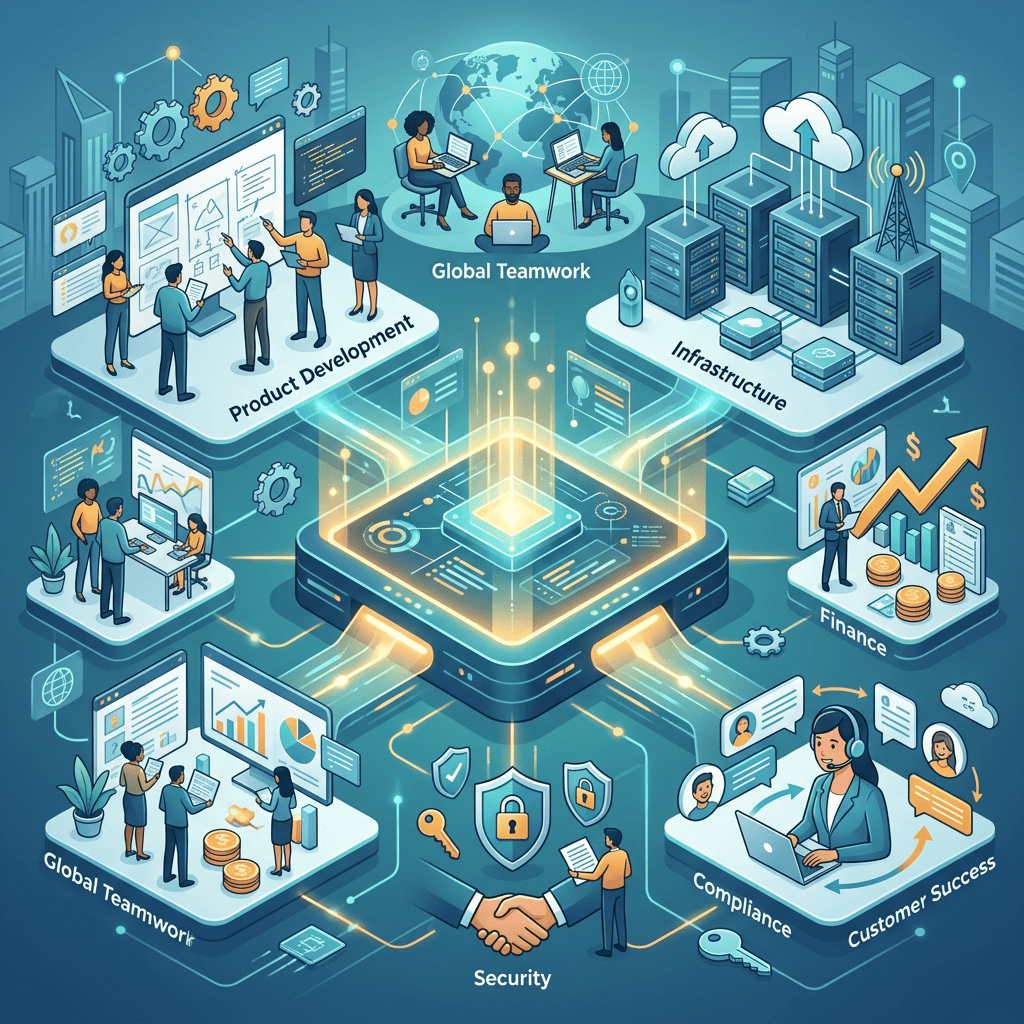
In 2026, the software industry emphasizes sustainable growth, requiring founders to focus on legal structure, product validation, and financial management. Startups are urged to establish solid foundations with an understanding of monetization models and customer success strategies while navigating competitive and regulatory complexities. The failure rate remains high, highlighting the need for careful planning.
-

The social media landscape in 2026 is experiencing a significant transformation known as the attention reset, shifting from passive content consumption to intentional engagement. Businesses must prioritize authenticity, community trust, and specialized niches, moving away from traditional metrics like virality. Success requires integrating AI while maintaining transparency and prioritizing quality over quantity.
-
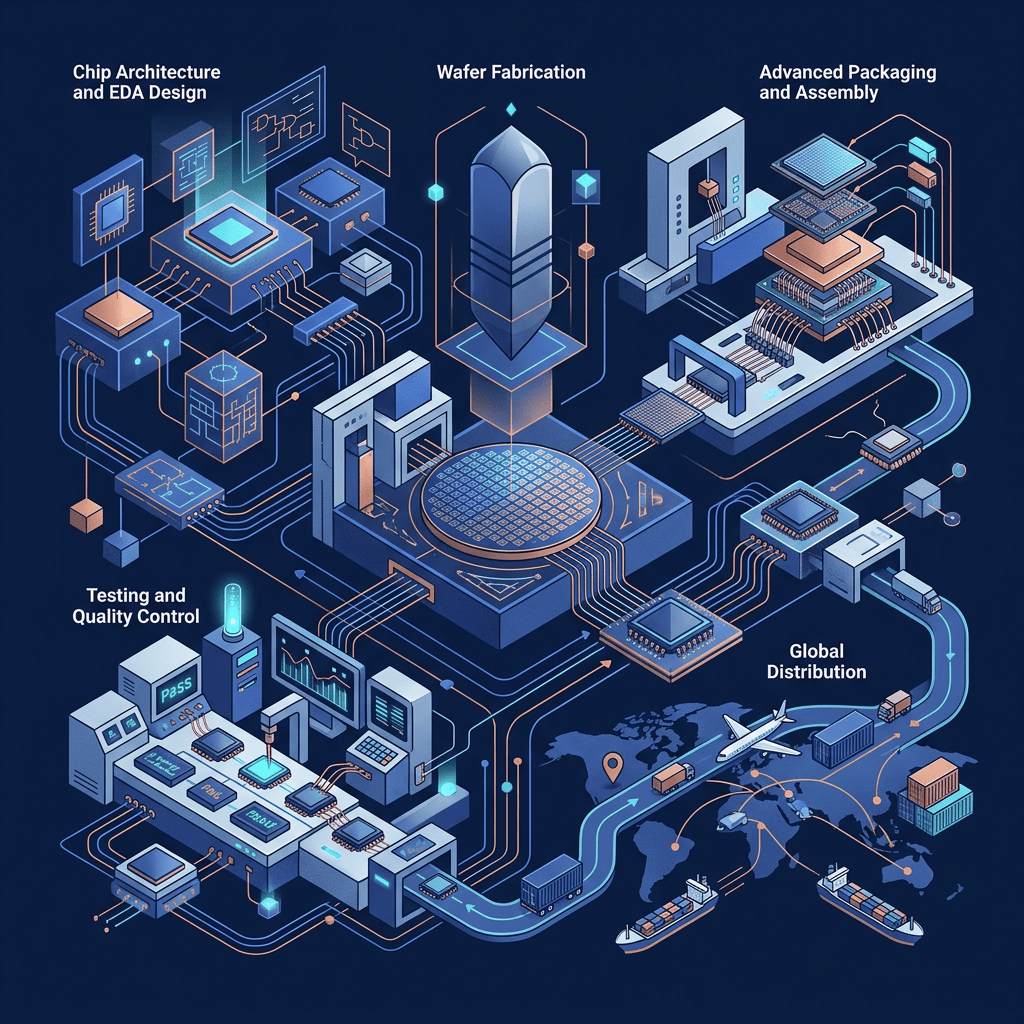
The semiconductor industry is transforming, with 2024 sales exceeding $627 billion and projections for 2025 reaching $700.9 billion. Key drivers include generative AI technologies, leading to shifts in business models like fabless and IDM. Challenges include high capital intensity, regulatory complexities, and evolving geopolitical dynamics impacting supply chains.
-

The global robotics and automation sector is increasingly essential for economic resilience, evidenced by significant market growth in North America and other regions. Key trends include advancements in artificial intelligence, the rise of collaborative robots, and the emergence of Robots-as-a-Service (RaaS) models, driving innovation and scalability in various industries.
-

The evolution of urban transportation has transformed the taxi industry into a complex ecosystem of TNCs and autonomous platforms. This shift blends digital technologies, regulatory frameworks, and innovative business models. Entrepreneurs must navigate multi-faceted challenges, including fluctuating regulations, evolving algorithms, and competitive market dynamics for operational success and sustainability.
-
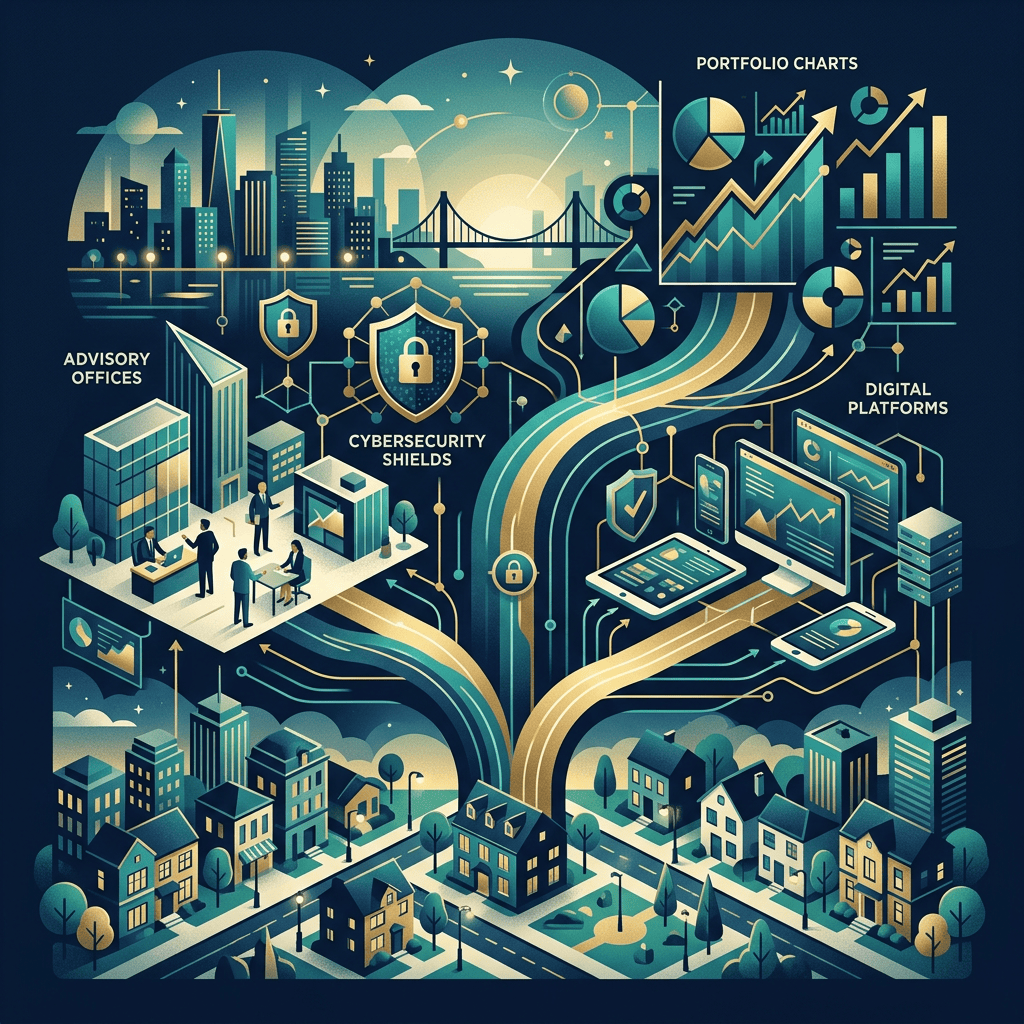
The retail investment sector is shifting towards independent, fiduciary-focused models, particularly the Registered Investment Advisor (RIA) framework. This evolution requires entrepreneurs to navigate complex choices regarding business structures, regulatory compliance, and technology. Successful firms will prioritize operational autonomy, cybersecurity, niche specialization, and integration of holistic services to thrive in competitive markets like Los Angeles.
-

The retail sector in 2026 has evolved into a data-driven, hyper-personalized model blending physical and digital experiences. Successful businesses must focus on strategic planning, regulatory compliance, and advanced technology. Growth involves rigorous market research, robust business plans, and effective risk management, coupled with sustainable practices and omnichannel strategies to enhance customer engagement.
-

The 2026 real estate landscape emphasizes tech-driven, experience-focused models over traditional approaches. To succeed, professionals must specialize in niches like sustainable housing, utilize advanced analytics, and adapt to evolving regulations. Significant startup costs and a structured business model are crucial, as is a proactive stance on macroeconomic risks and sustainability practices.
-

In 2026, the radio industry faces a transformative landscape merging traditional broadcasting and digital platforms. Despite challenges, radio retains resilience, reaching 84% of adults weekly. Growth relies on integrating innovative digital advertising and maintaining community engagement, with local ad revenue expected to increase significantly. Embracing technology is crucial for success.
-

The professional services industry is shifting from traditional labor-hour models to systems-driven efficiency and value-driven outcomes. Establishing firms requires navigating regulatory compliance, strategic positioning, and operational frameworks. As AI integration and client expectations evolve, firms must adapt by productizing services, refining pricing models, and optimizing resource utilization to ensure sustainable growth.
-
Subscribe
Subscribed
Have a WordPress.com account? Log in now.

